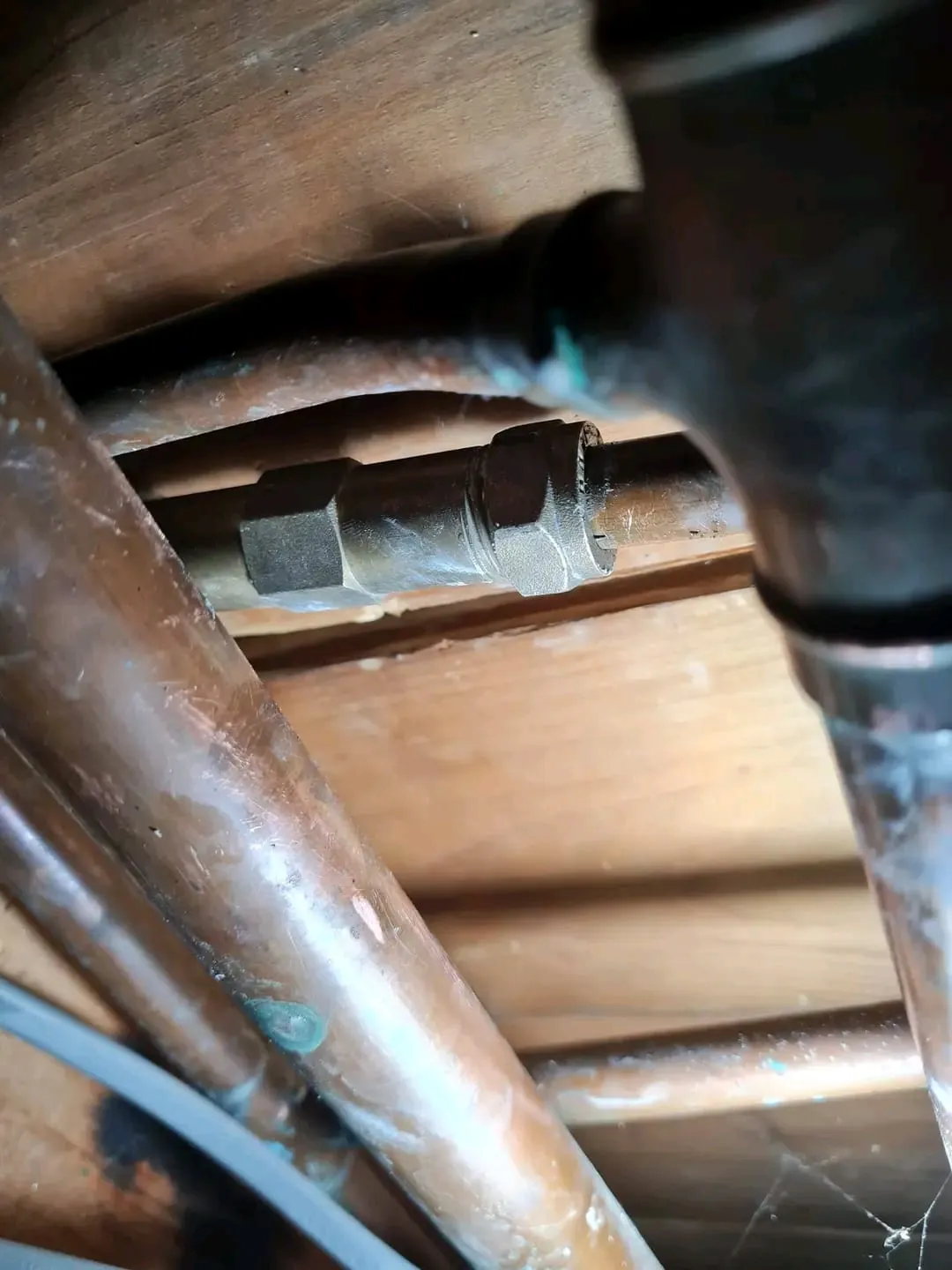
Marked leak location
Exact spot confirmed before any cutting
Concealed Ceiling Pipe Leak Repair in Fort Pierce is what we do when water shows up on your ceiling but nobody can see the pipe that is leaking. AquaCrest Plumbing uses thermal imaging and acoustic detection to pinpoint the failure behind the drywall, then repairs it through the smallest opening possible. If you have a spreading ceiling water stain, a rising water bill, or a musty smell in the hallway, call (772) 262-4590 and we will find it today.
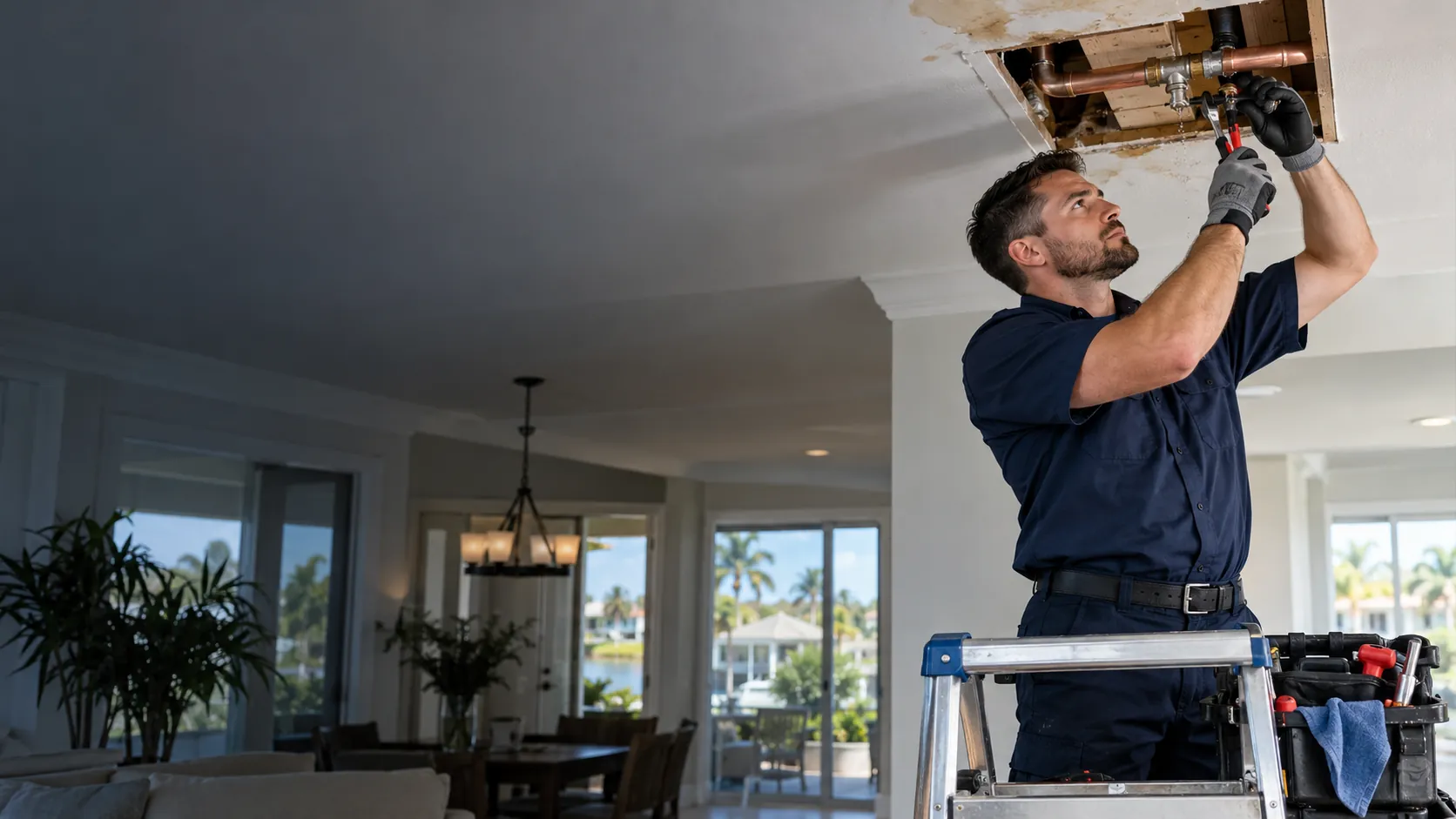
Every concealed ceiling pipe leak repair we run in Fort Pierce includes detection, repair, testing, and drywall patch. If the leak turns out to be in a slab or a main line instead of a ceiling cavity, we tell you before any work starts and quote the correct service.
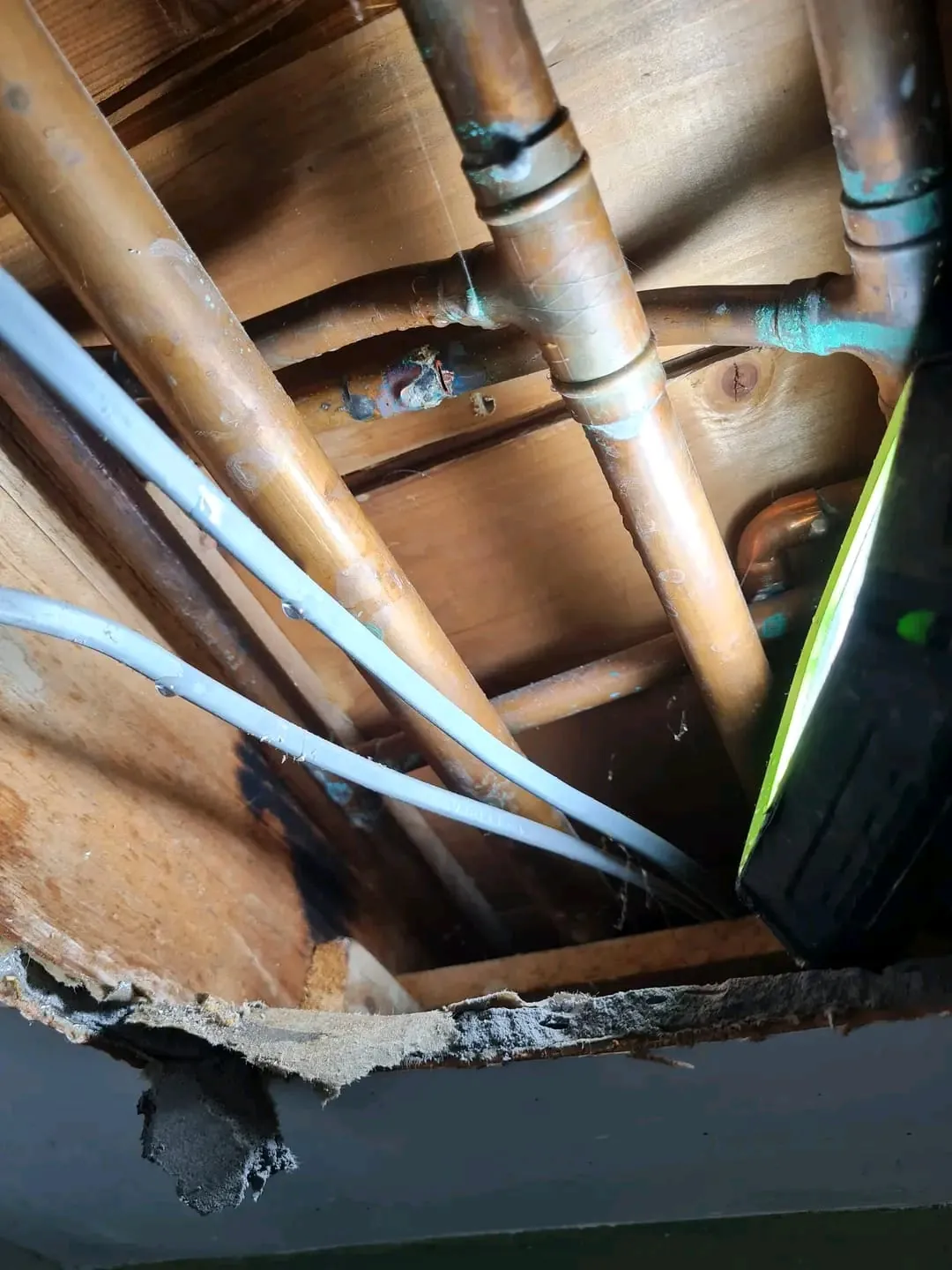
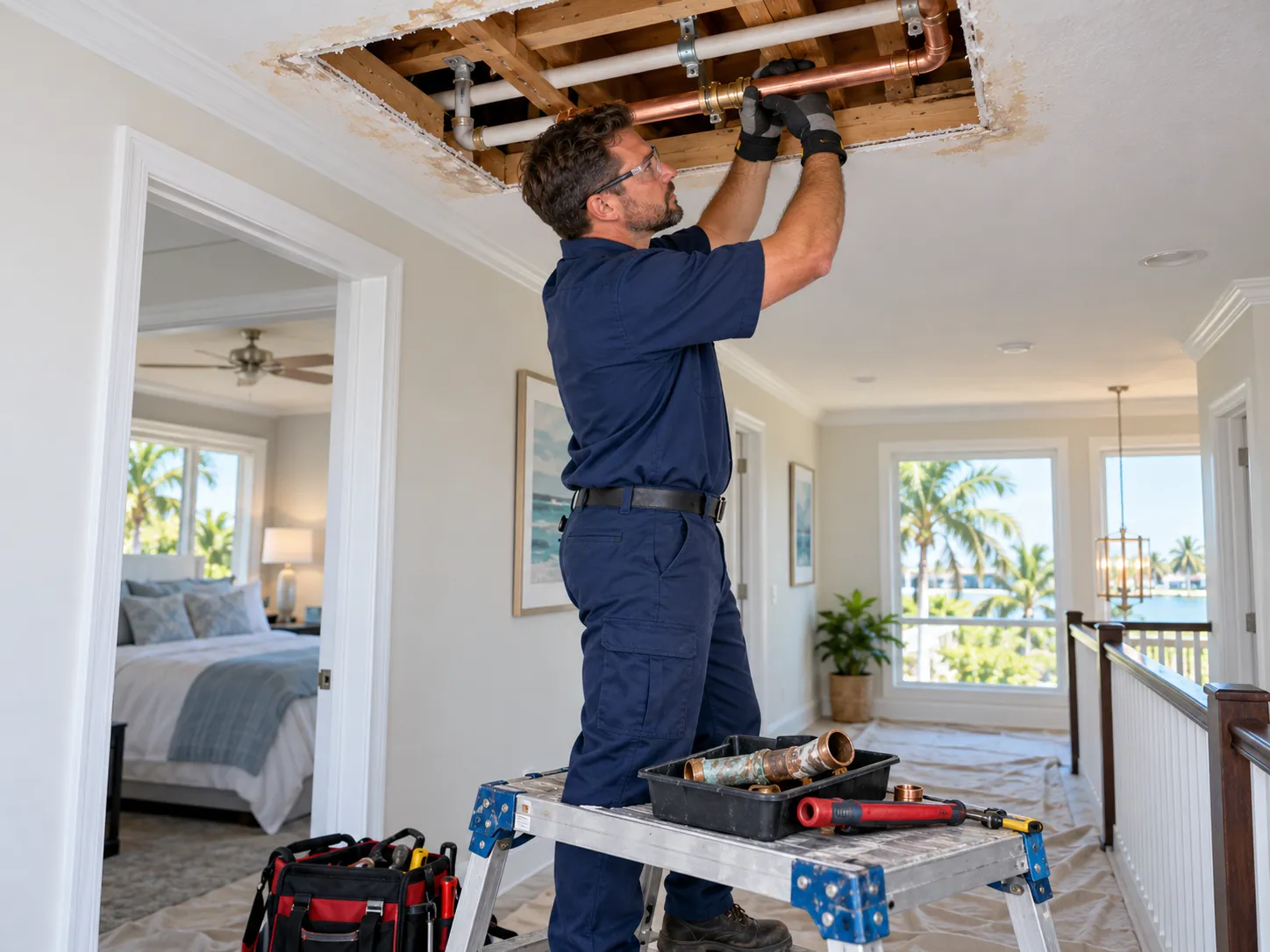
We trace hidden ceiling leaks in houses, condos, and townhomes across Fort Pierce. You get detection, repair, testing, and a drywall patch from one crew.
We handle concealed ceiling leaks in rental units, small offices, and retail spaces. Work is scheduled around tenants and documented for owners.
Concealed Ceiling Pipe Leak Repair in Fort Pierce is the process of locating and fixing a pipe leak that sits behind drywall, above a ceiling plane, or inside a soffit where no plumbing is visible. We start with non-invasive detection: a thermal imaging camera reads the temperature difference where water is pooling, an acoustic listener picks up the hiss of pressurized water escaping a joint, and a moisture meter confirms how far the saturation has spread. Once we know the exact spot, we open a small access hole, repair the copper, PEX, or CPVC line, and pressure-test before closing it up.
Fort Pierce homes built between the 1950s and 1980s often still run original copper supply lines through attic spaces and second-floor ceiling cavities. Add 15 years of humid summers, storm-season pressure swings, and hard water, and those pipe joints start to fail. A hidden pipe leak can drip for weeks before a ceiling water stain appears, which is why so many homeowners call us only after the drywall has already bubbled. If you have been searching for Hidden Ceiling Pipe Leak Repair in Fort Pierce, Florida without demolition, that is exactly the job we built our detection process around.
Find the leak first, cut once, and prove the repair holds before closing the ceiling.
Five steps, start to finish. You will know what is happening at every stage, and you will know the price before we open anything up.

You call (772) 262-4590 and describe what you are seeing: where the stain is, how fast it is spreading, whether the drip is active. We ask a few questions to figure out whether you should shut off the main, and we schedule a same-day window. Most Fort Pierce calls get a technician on site within 90 minutes.

We walk the ceiling with a thermal imaging camera and an acoustic listener, then confirm with a moisture meter. This takes 30 to 45 minutes on a typical single-story home. You get a marked location and a clear explanation of what failed, whether it is a pipe joint leak, a corroded pipe section, or a fitting that finally gave out.
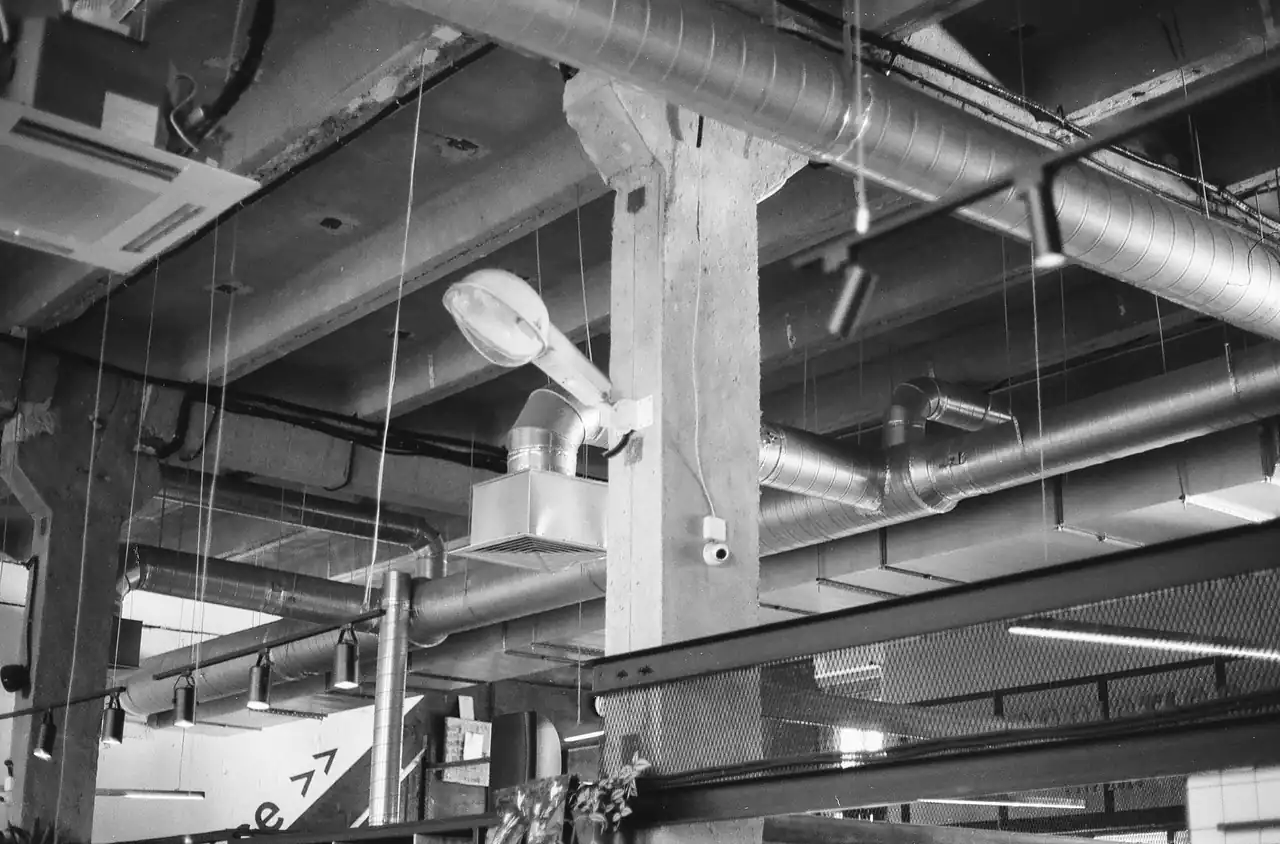
We cut the smallest access opening that lets us work, protect the floor below with drop cloths, and repair the line. Copper gets soldered or pressed, PEX gets crimped with a PEX crimping tool, and CPVC gets solvent-welded. A straightforward joint repair runs two to four hours.
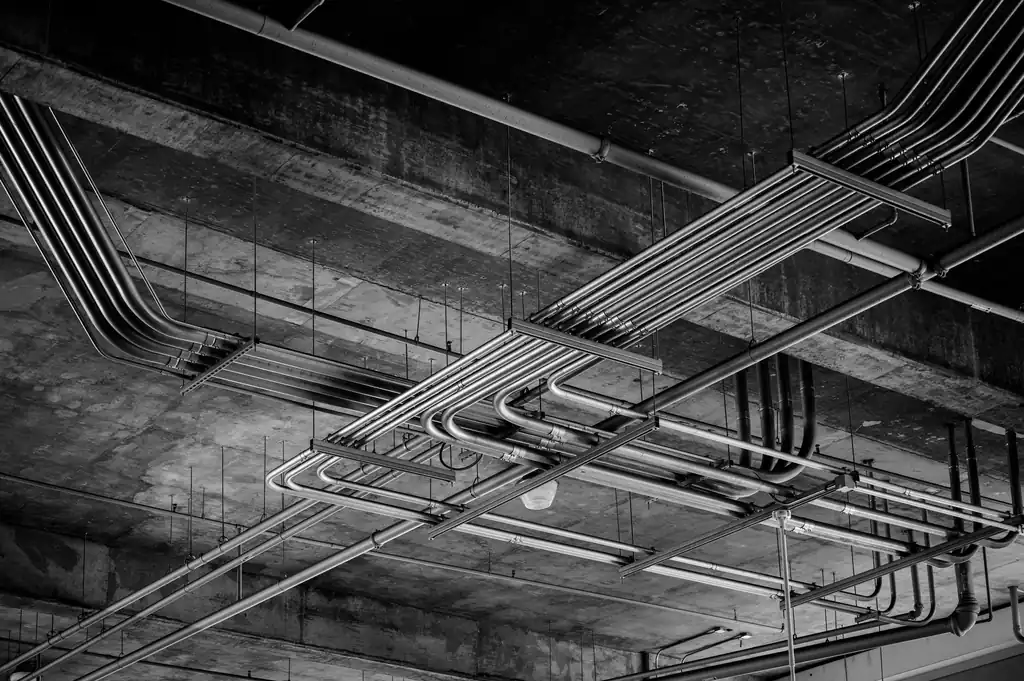
Before anything gets closed up, we pressurize the repaired section and watch it hold. We also re-scan the cavity with the moisture meter to confirm no new water is appearing. If the test fails, we keep working. You do not pay for a repair that does not hold.
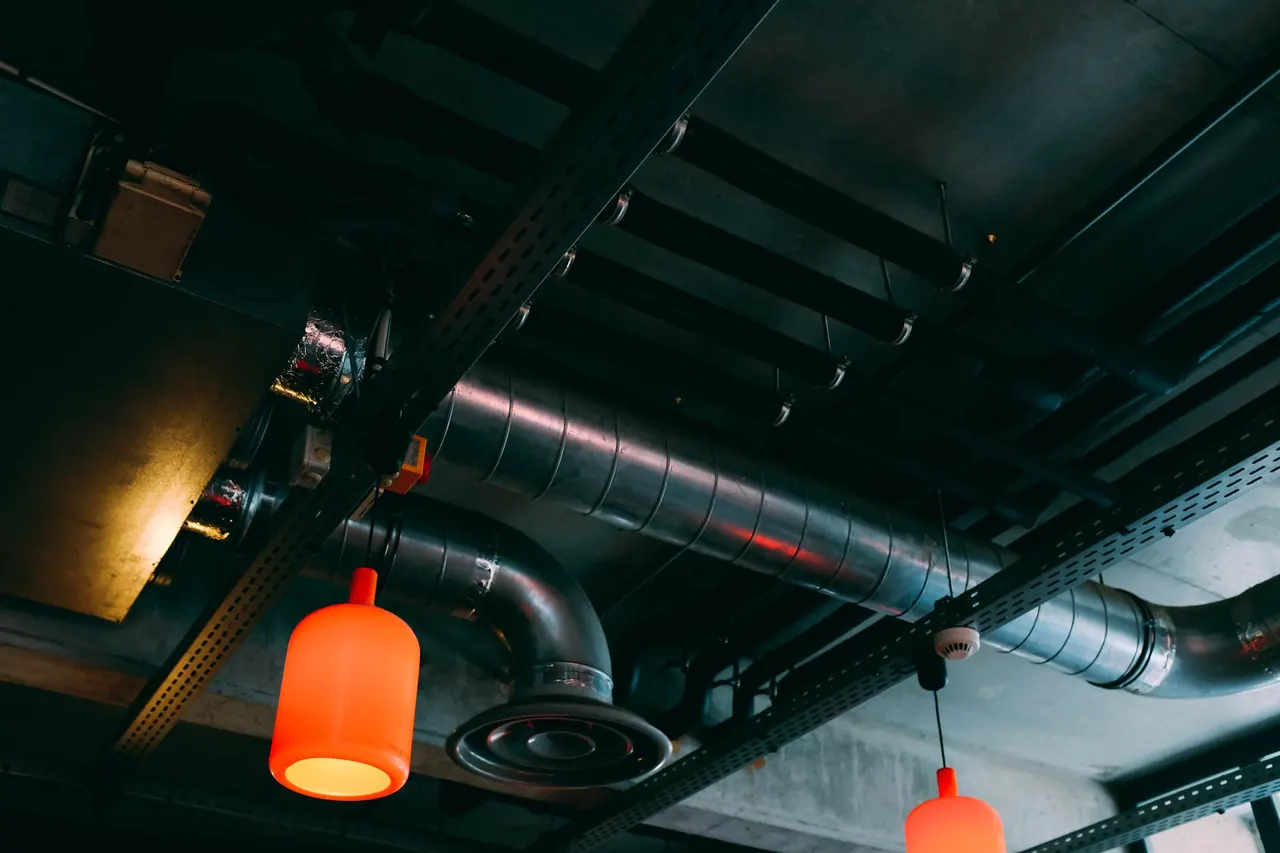
We set a fan or dehumidifier on the wet cavity, document the moisture readings, and patch the access opening with new drywall. Most customers schedule the paint touch-up themselves a few days later once the patch is fully dry. We leave you with photos of the repair before it was closed.
Reads temperature differences on the ceiling surface to show where water is pooling behind the drywall. We use it on every concealed call before any cutting.
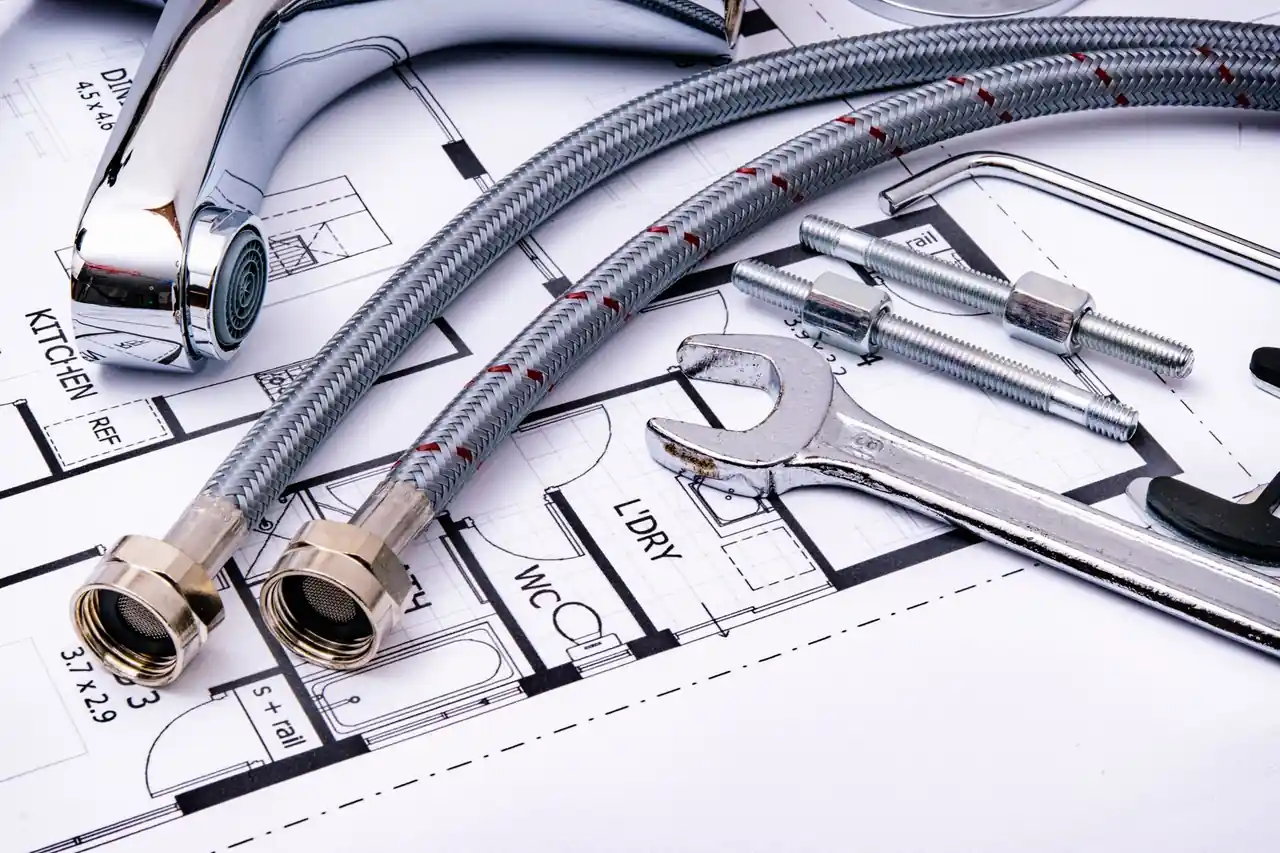
Listens for the sound of pressurized water escaping a pipe joint or fitting. It narrows the search to a few inches on copper, PEX, and CPVC lines.
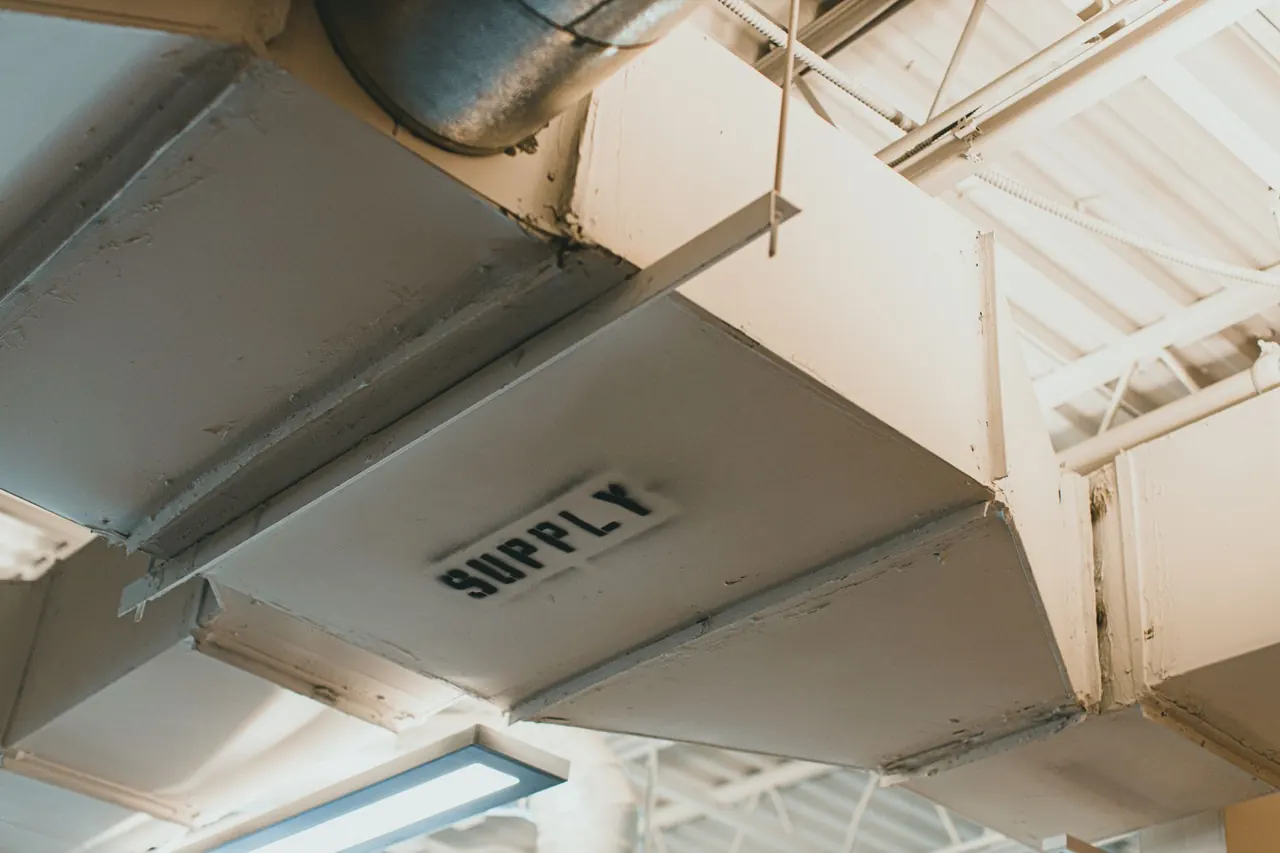
Confirms how far saturation has spread through drywall, insulation, and framing. We take readings before and after the repair to prove the cavity is drying.
Lets us look inside the ceiling cavity through a small access hole before committing to a larger opening. Useful in tight chases and finished ceilings.
Used to rebuild PEX and copper joints to manufacturer spec. We match the tool to the pipe material already in your walls.

For copper repairs, we cut out the failed section cleanly and solder in a new fitting. Pipe cutter gives a square end for a reliable joint.
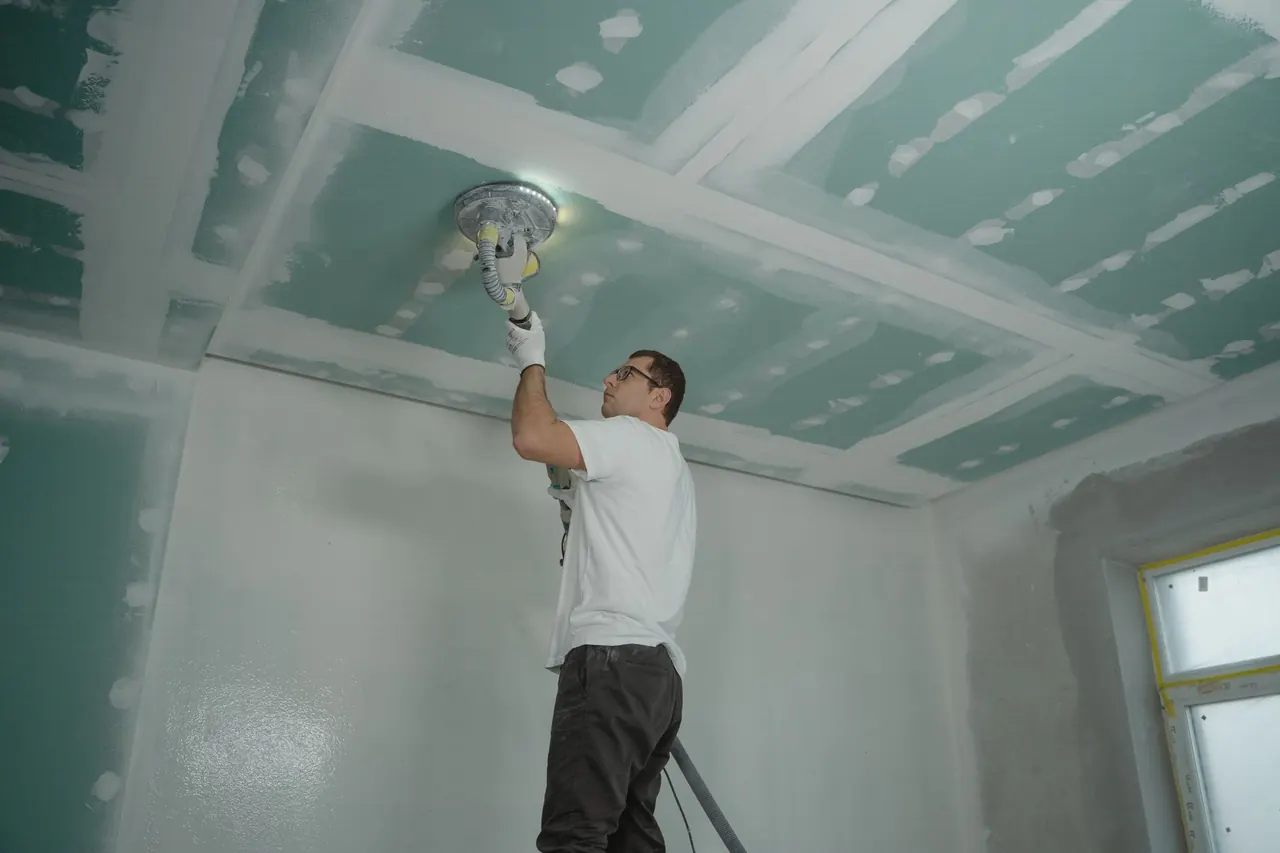
Cuts the smallest possible access opening once detection has confirmed the leak location. We protect the floor below before any cutting starts.
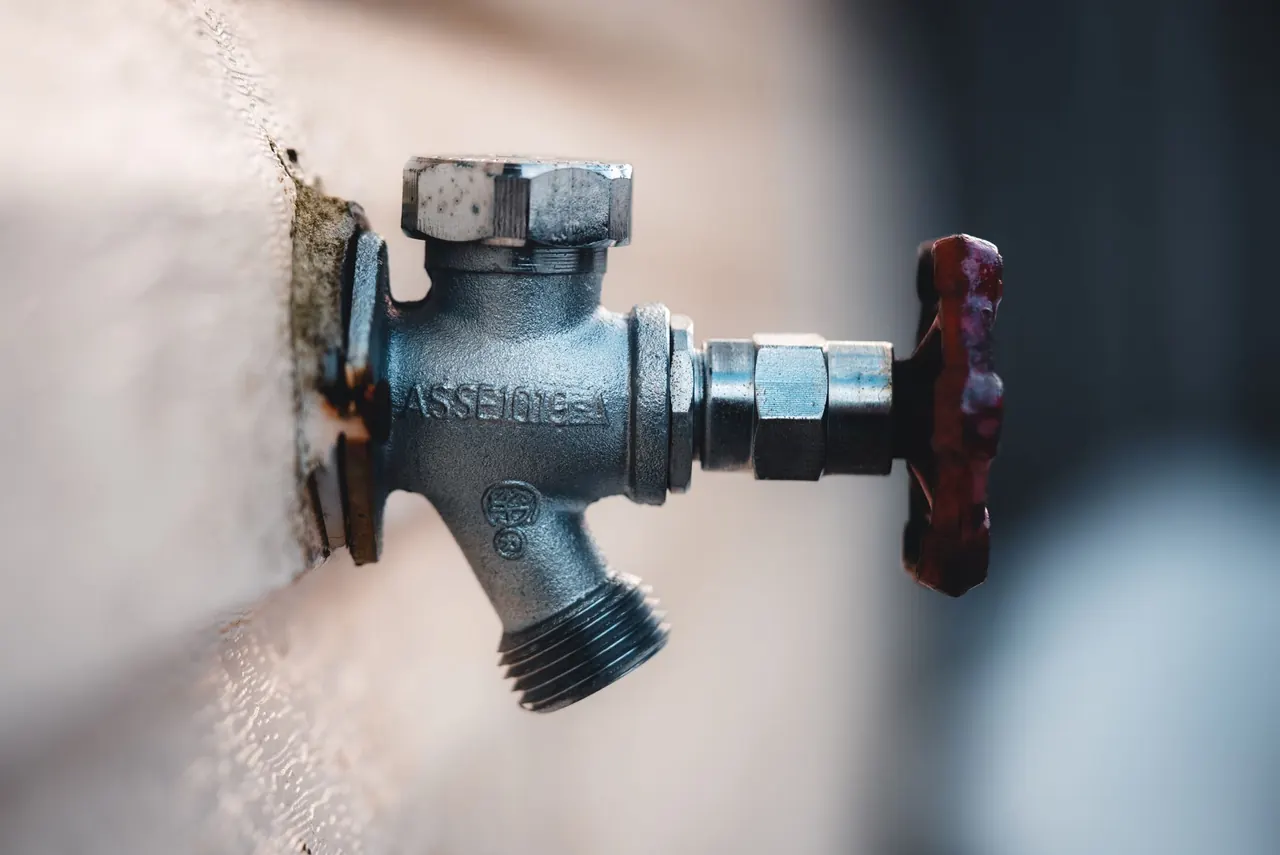
Every concealed job starts with thermal imaging, acoustic listening, and moisture mapping. We do not open drywall until we know where the leak is. This keeps access holes small and repair time short.
We run thermal imaging on the ceiling and acoustic detection on the supply lines above. The leak traces to a corroded copper joint in the floor cavity. We cut a 6-inch access hole, replace the joint, and pressure-test the line. The ceiling is patched the same day, the stain stops growing, and the homeowner has photos of the repair for their records.
We treat it as an emergency, shut down the affected branch line, and stage the repair. Detection confirms a failed CPVC fitting above the kitchen. We repair it, test it, and patch the access opening. The tenant has water back by Sunday evening, and the manager gets a documented repair report for the owner.
We locate a long-running hidden pipe leak that has saturated the ceiling cavity, repair the failed pipe, and set airflow to dry the space. We document moisture readings before and after. The ceiling is stabilized, the mold risk is addressed, and the homeowner knows exactly what happened while they were gone.
Acoustic detection and a moisture meter trace the loss to a concealed line above the hallway ceiling. We repair the leaking joint and check the rest of the branch for corrosion. The bill returns to normal the next cycle, and the ceiling is patched with a single small repair.
Fort Pierce sits in a humid subtropical climate, and that shapes how concealed leaks behave here. Summer humidity keeps ceiling cavities damp long after a leak is repaired, so we always document dry-out readings instead of assuming the space will air out on its own. Storm season brings pressure swings through the supply lines, and older neighborhoods like Lincoln Park and the Avenue D District still have original copper running through attic and ceiling cavities. Hard water accelerates corrosion at joints, which is why joint failures are the most common concealed leak we see. Homes built in the 1950s and 1960s often have minimal attic access, so we rely on thermal imaging and a borescope camera to confirm the leak before cutting. Newer construction off Okeechobee Road tends to use PEX, which fails differently, usually at crimp rings or manifold connections. If you have been searching for Concealed Ceiling Pipe Leak Repair Fort Pierce North FL or anywhere else in the city, the process is the same: detect, repair, test, dry, patch. We work to the Florida Building Code and pull permits when the scope requires it.
A Rio Vista homeowner had a spreading brown stain on the hallway ceiling and a musty smell that would not go away. Two other plumbers quoted opening a 4-foot section of ceiling to find the source.
We located the failed copper joint with thermal imaging in 40 minutes, cut one 6-inch access hole, replaced the joint, and pressure-tested it. The ceiling was patched the same day. Total repair cost was under $700.
We recommended checking the rest of the branch line annually and watching for new stains near the patch. Hard water will eventually find the next weakest joint.
A property manager near Downtown Fort Pierce had a tenant reporting a drip into the kitchen ceiling. The leak had been running long enough to soften the drywall and stain the paint.
We traced the leak to a failed CPVC fitting above the kitchen, repaired it, and pressure-tested the line. The tenant had water back the same day, and the manager received photo documentation of the repair before the ceiling was closed.
We suggested the owner have the remaining CPVC fittings in that branch inspected within the year, since they were installed at the same time and are aging together.
A Fort Pierce North homeowner saw a $90 jump in the water bill with no visible leak. The ceiling above the bathroom looked dry, but a moisture meter told a different story behind the paint.
Acoustic detection found a concealed pipe leak above the bathroom ceiling. We repaired the joint, confirmed the cavity was drying, and patched the access hole. The next water bill returned to normal.
We showed the homeowner how to read the water meter with everything off, so they can catch the next hidden leak in a day instead of a month.
Most concealed leaks announce themselves the same way: a stain, a smell, or a bill. Here are the problems we get called for most often in Fort Pierce, and what happens if they are ignored.
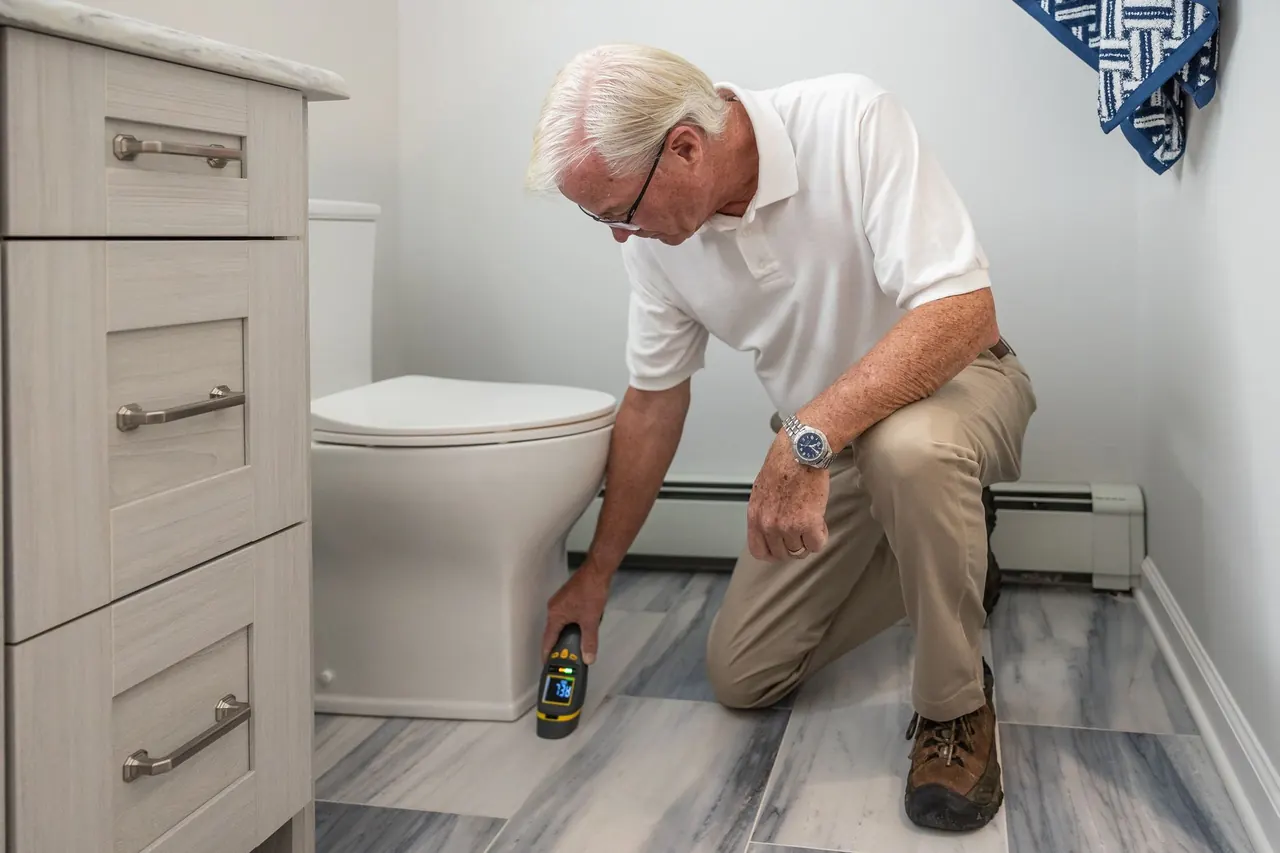
We use thermal imaging and acoustic detection to find the pipe behind the stain, repair the failure through a small access hole, and dry the cavity before patching. Most jobs are done in a single visit. The drywall softens, sags, and eventually fails. Mold can establish in the wet cavity within 48 to 72 hours, and the repair cost climbs with every day the leak runs.

We trace the line with acoustic detection and a moisture meter, isolate the leaking section, and repair it. We also check the rest of the branch line for corrosion so you are not calling us back next month. A hidden pipe leak can waste hundreds of gallons a month. Homeowners often pay the higher bill for two or three cycles before realizing a pipe is the cause.
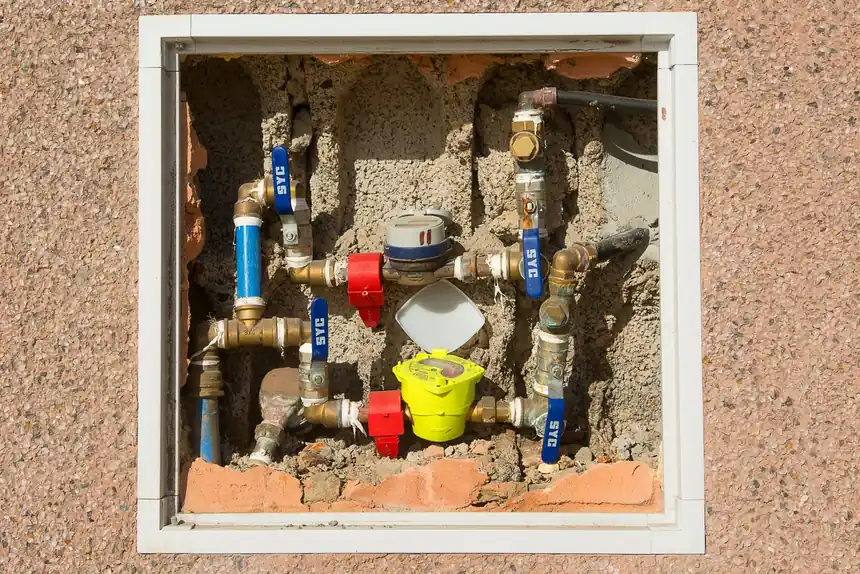
We locate the moisture source, repair the pipe, and document the dry-out readings. If mold is already present, we tell you what needs remediation and what we can handle as part of the repair. That smell is usually mold feeding on a slow concealed leak. Left alone, it spreads through the ceiling cavity and can affect indoor air quality across the floor.
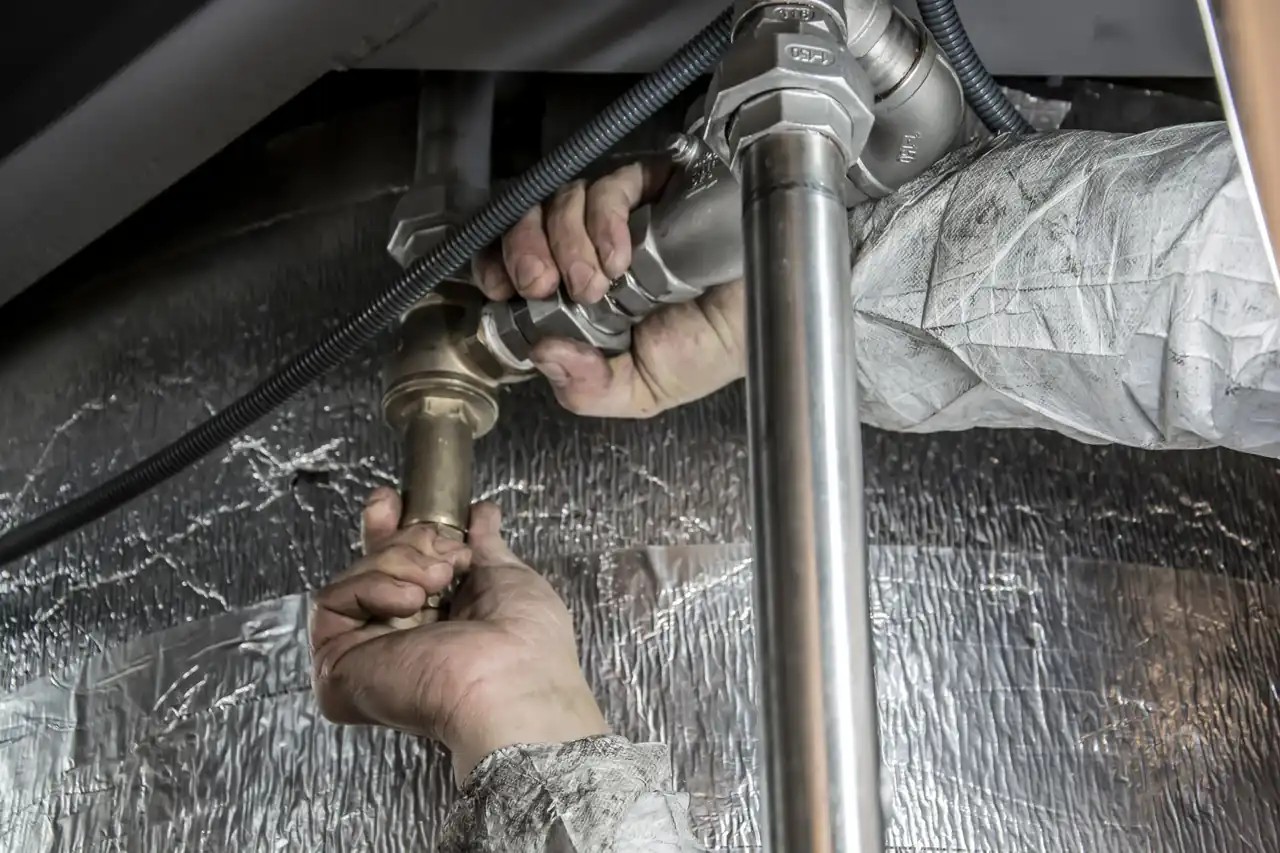
We cut out the failed fitting, rebuild the joint with new solder or press fittings, and pressure-test before closing. One small access hole is usually enough. Joint failures are the most common concealed leak we see. A slow drip over a finished ceiling damages drywall, insulation, and sometimes flooring below.
We cut a 6-by-6 inch access opening instead of removing a whole ceiling section. The pipe gets repaired, the cavity gets dried, and the patch is small enough that one drywall crew can blend it in a single visit. Most customers tell us they expected far worse.
Thermal imaging and acoustic leak detection tell us where the water is before anyone picks up a drywall saw. That means no exploratory holes across your ceiling and no guessing. On a typical Fort Pierce call, we confirm the leak location in under 45 minutes.
Water does not wait for business hours. We run same-day Concealed Ceiling Pipe Leak Repair Fort Pierce calls for active drips, and we can shut down the affected branch line to stop the damage while we stage the repair. Most emergency calls get a technician on site within 90 minutes.
Every repair uses materials that meet the Uniform Plumbing Code and Florida Building Code. That means copper, PEX, or CPVC matched to what is already in your walls, proper fittings, and Teflon tape or pipe joint compound applied correctly. No mismatched couplings that fail two summers later.
Typical 2026 pricing for Concealed Ceiling Pipe Leak Repair in Fort Pierce runs $350 to $1,200, with most jobs landing between $500 and $800. Detection, repair, pressure testing, dry-out, and drywall patch are included. The low end covers an accessible joint repair behind a first-floor ceiling. The high end covers a second-story leak over a finished room with wet insulation and a larger patch. We give you the price before we cut, and we do not add line items after the work is done. If you want the best Concealed Ceiling Pipe Leak Repair in Fort Pierce, Florida at a price you can plan for, call (772) 262-4590.
What your estimate is based on
$350 - $1,200 depending on access, material, and water damage The price covers detection, repair, pressure testing, dry-out, and drywall patch from one crew. You are not paying a separate restoration company or drywall contractor, and you are not paying for exploratory cuts that detection eliminates.
Clear records you can keep and share.
Exact spot confirmed before any cutting
Before and after images emailed to you
Dry-out numbers recorded before the patch
A ceiling stain does not always sit directly under the leak. Water travels along framing and pipe runs before it shows.
Water follows the path of least resistance along joists and pipes. The stain can be several feet from the actual failure. Detection narrows the gap before you cut.
Copper, PEX, and CPVC fail in different ways and need different repair methods. Matching the repair to the existing pipe prevents repeat leaks at the transition point.
A repair that is not pressure-tested is a guess. We pressurize the section and watch it hold before any drywall goes back up.
Outside these areas? Call us and we will let you know if we can help. (772) 262-4590
Most concealed ceiling pipe leak repairs in Fort Pierce run $350 to $1,200 in 2026, depending on access difficulty, pipe material, and how much drywall has to be opened. A simple copper joint repair behind a first-floor ceiling sits at the low end. A second-story leak over a finished room with wet insulation pushes toward the top. Detection, repair, pressure test, and patch are included in that range.
Sometimes, yes. If the leak is at a fitting that can be reached through an existing attic access, a soffit, or a valve panel, we can often complete the repair without new drywall cuts. When there is no existing opening, we cut the smallest access hole that lets us work, usually 6 by 6 inches. We never open more ceiling than the repair requires.
A typical concealed ceiling pipe leak repair takes two to four hours from arrival to pressure test. Detection adds 30 to 45 minutes. If the leak is in a hard-to-reach chase or the pipe has to be rerouted, plan on most of a day. We tell you the expected window before we start, and we call if anything changes.
The right plumber is the one who finds the leak before cutting and proves the repair holds before leaving. Ask whether they use thermal imaging and acoustic detection, whether they pressure-test, and whether they patch the drywall. AquaCrest Plumbing has done this work in Fort Pierce since 2011. Call (772) 262-4590 and we will walk you through what your specific leak needs.
A concealed leak gets worse every hour it runs. Call (772) 262-4590 and we will find the source, give you a price before we cut, and repair it to code. Same-day windows available across Fort Pierce and St. Lucie County.
Reach out for fast, friendly service. Call us at (772) 262-4590 or email info@aquacrestplumbing.com to schedule your ceiling pipe leak repair. We answer calls 24/7 for emergencies and offer same-day appointments across Fort Pierce and St. Lucie County.